

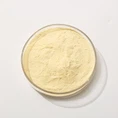


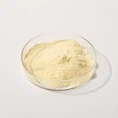
In the constant search for better focus, sharper memory, and a shield against cognitive decline, one nutrient is consistently stepping into the spotlight: Phosphatidylserine (PS). You may have seen it on the labels of high-end brain supplements, but what is it, and why is its origin story one of the most fascinating and critical pivots in modern nutrition?
Phosphatidylserine is not just another supplement; it's a fundamental building block of your body. It is a specialized fat molecule known as a phospholipid, a vital component of every cell membrane you have.
While present everywhere, PS is uniquely concentrated in the brain, where it acts as a cellular "gatekeeper". It protects your nerve cells and is essential for the fluid, rapid communication between them. Think of it as the high-performance oil for your body's most complex engine.
What Does Phosphatidylserine Actually Do?
From a biological perspective, PS is a master regulator. Its job is twofold, depending on where it's located in the cell.
Inside the Membrane (Pro-Life Signal): In healthy brain cells, PS is kept on the inner layer of the cell membrane. From this position, it forms critical docking sites for key enzymes, like Protein Kinase C (PKC). This signaling supports neuronal survival, promotes brain cell growth, and is essential for forming new memories.
Outside the Membrane (Death Signal): When a cell is old or damaged, it performs a dramatic final act: it "flips" its PS molecules to the outer layer of the membrane. This external PS is the universal "eat me" signal, telling the body's immune cells to clear away the dying cell quietly and efficiently, preventing inflammation.
This dual role in both supporting brain function and managing cellular health is why it's so critical for cognitive wellness.
The Sourcing Story: A Market Forged by Crisis
The story of how we get PS is perhaps more important than the molecule itself. For decades, the PS used in foundational clinical studies-the very studies that proved its benefits for memory and cognition-was derived from a single source: bovine (cow) cortex. This made sense; animal brains have the highest natural concentration.
Then, in the 1990s, a global health crisis brought the industry to its knees: Bovine Spongiform Encephalopathy (BSE), or "mad cow disease". The risk, however small, of transmitting infectious prions from neural tissue was catastrophic.
The regulatory response was swift. The FDA, for instance, concluded that PS was safe only if it was not sourced from cattle in any country where BSE exists. This de facto ban forced the entire supplement industry to pivot, finding a new, safer source.
The Modern Solution: Soy vs. Sunflower
Today, virtually all phosphatidylserine on the market is plant-based. But here is the central misconception: it is not simply extracted from plants.
Modern PS is a marvel of biochemistry, synthesized from a more common phospholipid, phosphatidylcholine (PC), which is abundant in lecithin. Through an enzymatic process called "transphosphatidylation," manufacturers use an enzyme (Phospholipase D) to swap the "head" of the PC molecule with L-serine, creating the desired, high-value PS.
This process has created a new competitive landscape, dominated by two sources :
Soy-Derived PS: This is the conventional, dominant market standard. Derived from widely available soy lecithin, it is cost-effective and backed by an established supply chain. Its only drawbacks are consumer-facing: it's a "Top 8" allergen that requires a "Contains: Soy" label, and the lecithin is often derived from GMO sources.
Sunflower-Derived PS: This is the "clean-label" challenger. Its entire value proposition is solving soy's problems. It is hypoallergenic, making it the perfect choice for allergen-free formulations. Furthermore, since sunflowers are rarely genetically modified, it is the go-to source for "Non-GMO" products.
The Next Frontier: The Return of DHA
The pivot from bovine to plant sources solved the safety crisis, but it quietly created a new efficacy question. The original, effective bovine PS was rich in the omega-3 fatty acid DHA. Plant-based PS (from soy or sunflower) is not.
Enter the next evolution: Marine-Derived PS. Sourced from fish or krill, this new, premium-grade PS re-incorporates DHA onto the phospholipid backbone. This is not simply a mix of fish oil and PS; it is a "synergistic" molecule that biochemically recreates the original, effective (but unsafe) bovine-PS, offering a safe, high-efficacy alternative for cognitive health.
Finding Your Source
While you can get PS from your diet-particularly from organ meats (like liver), fatty fish (mackerel, herring), egg yolks, and white beans -the average dietary intake is estimated at 75-228 mg/day. Many clinical studies use 300 mg or more, making supplementation a practical path to a therapeutic dose.
Phosphatidylserine has proven itself as a critical nutrient for brain health. Now, as a savvy consumer, you can look beyond the front of the bottle. Check the label: Are you getting cost-effective soy, clean-label sunflower, or the high-efficacy marine-DHA complex? Understanding the source is the key to unlocking the true power of this remarkable brain nutrient.