




Executive Summary
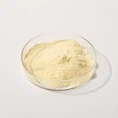
Modified Citrus Pectin (MCP) is emerging as a premier, non-toxic therapeutic agent specifically engineered to target metastasis-the most lethal aspect of cancer progression. Derived from the pith of citrus peels, MCP is a water-soluble, nondigestible polysaccharide fiber. Through advanced enzymatic modification, it is optimized to disrupt Galectin-3, a carbohydrate-binding protein (lectin) critically implicated in tumor survival, angiogenesis, and spread.
The Mechanism: Disrupting the "Metastatic Engine"
Galectin-3 plays a pivotal role in the metastatic cascade. It acts as a "cellular glue," facilitating:
Adhesion: Helping cancer cells aggregate (clump together) in circulation and anchor to blood vessel walls at distant organs.
Angiogenesis: Promoting the formation of new blood vessels essential for tumor growth.
Evasion: Helping tumor emboli survive in the bloodstream.
The MCP Solution: Research demonstrates that Gold Kropn MCP acts as a high-affinity ligand for Galectin-3. By binding to the protein's carbohydrate recognition domain (CRD), MCP competitively inhibits Galectin-3 from interacting with its natural targets on cell surfaces. This blockade effectively "blinds" the protein, disrupting the critical functions necessary for metastasis to occur.

Preclinical Evidence: Stopping the Spread
Preclinical studies utilizing high-purity MCP have provided compelling data regarding its impact on metastasis.
1. Breast Cancer Model (MDA-MB-435)
In controlled studies involving the orthotopic injection of human breast cancer cells into nude mice, oral administration of MCP (1% in drinking water) yielded statistically significant results after 7 weeks:
Primary Tumor Reduction: A 70.2% reduction in primary tumor volume compared to controls.
Angiogenesis Inhibition: A striking 66% reduction in tumor-associated blood vessels.
Metastasis Prevention: Complete prevention of spontaneous lung metastasis (0/8 MCP-fed mice vs. 6/9 control mice).
2. Colon Carcinoma Model (LSLiM6)
Surgical implantation of highly metastatic human colon carcinoma cells showed equally dramatic protective effects:
Lymph Node Metastasis: Dropped from 100% (9/9) in controls to 25% (2/8) in the MCP group.
Liver Metastasis: Plummeted from 60% (6/10) in controls to 0% (0/9) in the MCP group.
Tumor Mass: Significantly reduced primary tumor weight and intra-abdominal tumor mass.
3. Cellular Mechanisms (In Vitro)
Detailed cellular studies confirm the biological activity of Gold Kropn MCP:
Blocks Binding: Inhibits Galectin-3 binding to endothelial cells (HUVECs) by up to 95.8% (at 0.25% concentration).
Stops Migration: Completely blocks the chemotaxis (migration) of endothelial cells toward Galectin-3 at 0.1% concentration.
Inhibits Adhesion: Reduces the adhesion of breast cancer cells to blood vessel walls by up to 83.4%.

Clinical Applications: Improving Patient Outcomes
Clinically, the relationship between MCP and cancer progression is supported by key biomarker improvements.
Prostate Cancer: In Phase II trials, MCP significantly extended the PSA Doubling Time (PSADT) in 70% of patients with biochemical recurrence. Slowing PSADT is a critical indicator of delayed disease progression.
Disease Stabilization: In patients with advanced solid tumors, 21% achieved disease stabilization with MCP supplementation, highlighting its potential valuable role for Stage IV patients.

Manufacturing Excellence & Quality Assurance
To achieve these clinical results, the quality of the MCP is paramount. The molecule must be modified to a specific low molecular weight to ensure systemic absorption.
Zhejiang Gold Kropn Biotechnology Co., Ltd. is a national high-tech enterprise that has built its reputation on this very principle of scientific rigor. Through collaborations with leading medical institutions like Fudan University and Zhejiang University, they have optimized their production to create a truly reliable, research-grade MCP.
Their process starts with high-quality imported lemon peels, a superior pectin source. They then use an advanced enzymatic hydrolysis process-a clean, precise method-to ensure their MCP has the exact low molecular weight and structure needed for systemic absorption. This entire process is protected within a 100,000-grade GMP-certified facility, guaranteeing the purity and potency required for a product you can trust with your health.
This commitment to quality ensures that the MCP is not just a supplement, but a reliable tool for supporting your body's defense against systemic inflammation and fibrosis.
Safety Profile
Modified Citrus Pectin (MCP) is recognized as a safe food ingredient. The Joint FAO/WHO Expert Committee on Food Additives (JECFA) has classified its Acceptable Daily Intake (ADI) as "not specified," the highest safety category, indicating no toxicity concerns even at high intake levels. This favorable profile allows for long-term oral administration alongside conventional therapies like chemotherapy and radiation, where research suggests it may offer synergistic benefits.
Contact Information
For more information on this research-backed supplement and industrial specifications, please contact:
Zhejiang Gold Kropn Biotechnology Co., Ltd.
Email: wilson@zjgykp.com
Website: www.mcpgykp.com