


Abstract
This report provides a detailed technical analysis of the toxicological and genotoxicological profile of Pectin-derived Acidic Oligosaccharides (PAOS), a specific form of Modified Citrus Pectin. The analysis is based on the comprehensive safety evaluation by Garthoff et al. in Regulatory Toxicology and Pharmacology (2010).1 Key areas of focus include the material's physicochemical characterization and purity profile, a critical interpretation of the divergent
in vitro versus in vivo genotoxicity data, and the mechanistic elucidation of a species-specific urothelial hyperplasia observed in rodent models. The data collectively establish a robust safety profile for this novel prebiotic ingredient.

Material Characterization and Purity Profile
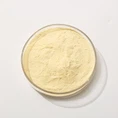
The PAOS preparation evaluated in the pivotal safety studies was produced from food-grade pectin via a specific enzymatic method. The process utilizes poly(methoxyl-α-galacturonide) lyase (EC 4.2.2.10) and poly(1,4-alpha-D-galacturonide) glycanhydrolase (EC 3.2.1.15), both derived from non-pathogenic, non-toxicogenic strains of Aspergillus niger.1 The resulting product is a mixture of linear oligomers of galacturonic acid, with key identity specifications including a galacturonic acid content of 62 g/100g, a molecular weight predominantly below 3800 Da (94 g/100g), and a degree of methylation of 50.1
For any material intended for nutritional or research applications, the purity profile is of paramount importance. The batch of PAOS used in the studies was thoroughly analyzed for contaminants and residues. The levels of modified citrus pectin heavy metals and other contaminants were found to be exceptionally low, conforming to the principles of relevant legislation and Good Agricultural Practice.1 A summary of these findings is presented below.
|
Contaminant |
Unit |
Value |
|
Cadmium |
μg/kg |
1 |
|
Lead |
μg/kg |
21 |
|
Mercury |
μg/kg |
<3 |
|
Arsenic |
μg/kg |
<20 |
|
Aluminium |
mg/kg |
8.18 |
|
Pesticides |
μg/Kg |
<5 |
Data extracted from Garthoff et al., 2010 1
The low microgram-per-kilogram levels for key heavy metals such as cadmium, lead, and mercury underscore the clean nature of the raw material and the manufacturing process.
A Critical Analysis of the Genotoxicity Data
The genotoxicity assessment of PAOS yielded results that highlight the importance of considering the complete toxicological picture, particularly the relationship between in vitro and in vivo data. PAOS was conclusively not mutagenic in the bacterial reverse mutation assay (Ames test) across five strains, with and without metabolic activation.1
However, the in vitro mammalian cell assays produced more complex results. The mouse lymphoma assay was deemed "equivocal" due to positive responses at highly cytotoxic concentrations that were not reproducible and lacked a clear dose-response relationship.1 Similarly, in the chromosomal aberration test using CHO cells, PAOS was initially considered clastogenic under continuous treatment conditions. A follow-up investigation revealed that this effect was highly dependent on cytotoxicity and the solvent used (DMSO). When PAOS was suspended in culture medium-a more physiologically relevant vehicle-a significant increase in aberrant cells was observed only at the highest recommended dose (
5000 μg/ml) and was associated with high cytotoxicity (MI of 34%), leading the authors to conclude it was not biologically relevant.1 These findings suggest the positive
in vitro results were likely artifacts driven by cytotoxicity, a known confounding factor in such assays.
The Definitive In Vivo Safety Profile
The most physiologically relevant data for assessing genotoxic risk come from in vivo studies. A micronucleus test was integrated into the 13-week sub-chronic oral toxicity study in rats, a design that ensures prolonged exposure to the test substance and its metabolites. The study, which also included an in utero exposure phase, demonstrated that PAOS did not affect parental health, fertility, reproduction, or pup characteristics.1 Most importantly, analysis of femoral bone marrow cells from rats in the high-dose group (10% PAOS in the diet, an intake exceeding
7 g/kg bw/day) revealed no increase in the mean number of micronucleated polychromatic erythrocytes compared to controls.1 Furthermore, the ratio of polychromatic to normochromatic erythrocytes was unchanged, indicating no cytotoxicity to the bone marrow.1 This negative
in vivo result provides definitive evidence that PAOS does not possess genotoxic activity under physiological conditions.
Mechanistic Elucidation of a Species-Specific Artifact
The sub-chronic study revealed diffuse urothelial hyperplasia in rats fed 10% PAOS. Rather than being an indicator of direct toxicity from the oligosaccharides, this was hypothesized to be a secondary effect. A supplementary mechanistic study was designed to test the hypothesis that the hyperplasia was caused by the concurrent increase in urinary sodium concentration and pH, a condition known to induce this specific effect in rats.1 The study included a group fed 10% PAOS plus the acidifying agent
NH4Cl. The results were unequivocal: the low urinary pH in the NH4Cl group completely prevented the development of urothelial hyperplasia.1 This confirmed the mechanism and demonstrated that the effect is not inherent to PAOS but is a species-specific artifact of urinary physiology, which is not considered relevant to humans.1
The rigor demonstrated in these studies reflects the scientific commitment of leading producers like Zhejiang Gold Kropn Biotechnology Co., Ltd. As a national high-tech enterprise collaborating with top-tier universities, the company prioritizes not just manufacturing but also a deep scientific understanding of its products. Their use of advanced enzymatic hydrolysis in a 100,000-grade GMP-certified facility ensures the production of a high-purity modified citrus pectin suitable for demanding research and development applications. To request technical specifications, a certificate of analysis, or to discuss research collaborations, please contact wilson@zjgykp.com.

Conclusion: A Well-Characterized Ingredient for Research and Development
Modified Citrus Pectin (PAOS) is a material with a thoroughly investigated and favorable safety profile. The comprehensive data show that it is non-mutagenic in vivo, and potential concerns from in vitro assays have been rationalized as artifacts of cytotoxicity. The observation of urothelial hyperplasia in rats has been mechanistically explained as a species-specific response to altered urinary chemistry and is not relevant to humans. The material's high purity and exceedingly low levels of contaminants, including heavy metals, make it a well-characterized and reliable ingredient for further research and development in the fields of nutrition and pharmacology.
Works cited
pectin safety 1.pdf