




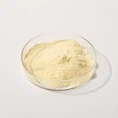
In the landscape of nutraceuticals, few compounds have garnered as much attention for their potential chelating properties as Modified Citrus Pectin (MCP). However, a comprehensive understanding requires a critical examination of the available literature, acknowledging both the promising findings and the significant methodological limitations.5
MCP is a low-molecular-weight polysaccharide derived from citrus pectin.4 Its efficacy as a systemic chelating agent is predicated on its unique structural modification: an enzymatic and heat-controlled process reduces its molecular weight (typically <15 kDa) and degree of esterification (<5%), enabling it to be absorbed into the bloodstream.2 The mechanism of action is primarily attributed to the presence of rhamnogalacturonan II and galacturonic acid 6, which are believed to selectively bind to heavy metals without impacting essential minerals like zinc and calcium.6
Preliminary human studies have reported notable results. A pilot trial on eight healthy volunteers demonstrated a significant increase in the urinary excretion of arsenic (130%), cadmium (150%), and lead (560%) after six days of oral MCP administration.6 Furthermore, a non-controlled clinical study in children with lead toxicity showed a dramatic increase in 24-hour urine lead levels with no reported adverse effects.6 These findings, along with case studies showing fecal excretion of uranium 6, are intriguing and provide a rationale for further investigation.
However, a transparent review must address the critiques leveled against this research. Many studies are small-scale, non-controlled, or observational case reports, which limits the ability to draw definitive conclusions.27 Critics have pointed out that without a control group, it is impossible to determine if observed reductions in heavy metal levels are due to the MCP itself or other confounding factors, such as the natural half-life of lead in the body.5 Some publications have also been criticized for "questionable math" and a failure to disclose conflicts of interest, as some authors are closely linked to the company that manufactures the product.5 This highlights the need for a more standardized approach to research and product manufacturing.30

At Zhejiang Gold Kropn Biotechnology Co., Ltd., we believe in the importance of scientific rigor and transparency. As a national high-tech enterprise, we are actively engaged in research collaborations with top academic institutions, including Zhejiang University, Fudan University, Tianjin University, and Xinxiang Medical University in Henan. This commitment to partnering with the scientific community drives our continuous development of health food products and helps to ensure the integrity of our research. Our company operates a 100,000-grade GMP-certified production facility, where we utilize imported lemon peels and advanced enzymatic hydrolysis technology to extract high-purity MCP. This adherence to strict quality control, from raw material to final product, is our promise to the scientific community: a consistent and reliable product for both research and consumer use. For all academic inquiries, please contact our research team via email at wilson@zjgykp.com.

In conclusion, while the preliminary evidence on MCP for heavy metal chelation is compelling, it remains an area ripe for further research. Larger, double-blind, placebo-controlled trials are necessary to substantiate the initial findings and provide the robust data required for clinical adoption.31
Disclaimer: This is a scientific overview and does not constitute medical advice. Modified Citrus Pectin is a dietary supplement and has not been approved by the FDA to diagnose, treat, cure, or prevent any disease.13